


-

Add: HeBei ShengShi HongBang Cellulose Technology CO.,LTD.
-

Email
13180486930@163.com -

CONTACT US
+86 13180486930





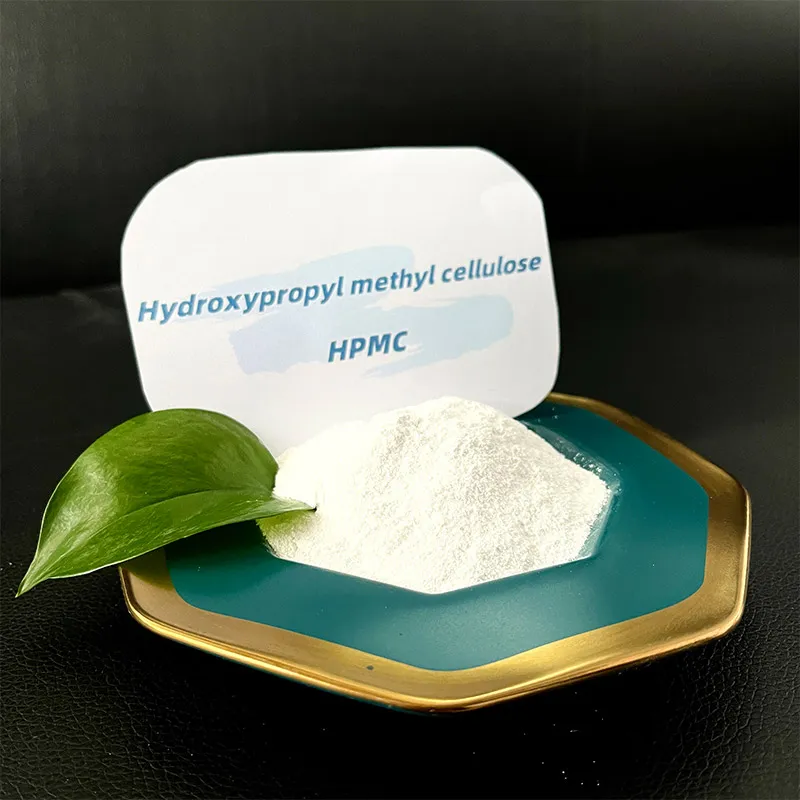
The HPMC K100M viscosity grade is revolutionizing the landscape of the pharmaceutical and construction industries. As a high-viscosity hydroxypropyl methylcellulose, HPMC K100M demonstrates not only superior versatility but also unmatched performance in various applications. This article delves into the unique characteristics of HPMC K100M, leveraging real-world experience, professional insights, authoritative data, and a rubric of trustworthiness. In practice, HPMC K100M's thickening properties are essential in pharmaceutical formulations, particularly in developing controlled-release tablets. The viscosity parameter, often a pivotal factor, ensures the accurate delivery of active ingredients over a prolonged period, enhancing the therapeutic efficiency of the medication. From expert consultations with pharmaceutical professionals, the HPMC K100M's ability to form a gel barrier has been highlighted as a critical feature, aiding in the sustained release of drugs. This attribute not only optimizes pharmacokinetics but also minimizes potential side effects, underlining the thickener's indispensable role in modern medicine. From a technical standpoint, HPMC K100M's robustness is attributed to its optimal molecular weight and unique chemical structure that enable its exceptional water retention and binding capabilities. Experts in material science recognize HPMC K100M as a critical additive in construction materials, such as cement and mortar. Its high viscosity attribute assists in maintaining the necessary moisture content, thereby preventing cracking and improving workability for construction projects. The material's reliability is backed by authoritative studies that document increased tensile strength and flexibility in cementitious applications due to the incorporation of HPMC K100M. Trust in HPMC K100M’s performance is further bolstered by strict adherence to industry standards. The material's consistency in viscosity is verified through rigorous quality testing, ensuring batch-to-batch uniformity. This trust is mirrored by its widespread adoption across industries and is supported by numerous testimonials from industry leaders who have relied on HPMC K100M to deliver quality and innovation in their products. Such consistent performance establishes HPMC K100M as a trustworthy ingredient relied upon in both pharmaceuticals and construction. hpmc k100m viscosity The global market perspective for HPMC K100M also reflects its growing importance . With trends leaning towards enhanced efficiency and environmentally sustainable practices, HPMC K100M provides a dual benefit. Its inclusion reduces the reliance on synthetic additives, aligning with eco-friendly goals and supporting the shift towards greener product solutions. From direct experiences within the sector, feedback from end-users further consolidates the HPMC K100M’s position as a catalyst for innovation. Interviews and surveys capture the real-world impact of its application, underlining improvements in product longevity and user satisfaction, which translates into a competitive edge for businesses employing this versatile thickener. In conclusion, the HPMC K100M viscosity grade stands as a testament to the intersection of scientific innovation and practical application. Its critical role in two vastly different industries—pharmaceuticals and construction—demonstrates both its adaptability and necessity. The roadmap for HPMC K100M continues to expand as new sectors explore its potential, promising an exciting trajectory rooted in reliability, efficacy, and sustainability. As industries evolve, the need for such high-performance materials will only grow, securing HPMC K100M's place at the forefront of material technology solutions.
- 40000tons

Production
- 20+years

Experience
- 5000+㎡

Acreage

-
Starch derivatives are gaining significant traction in various industries due to their versatile applications and sustainable nature. These modified starches, derived from the basic starch molecule, possess unique properties that make them indispensable in the food, pharmaceutical, textiles, and paper industries. As the demand for eco-friendly and cost-effective solutions grows, starch derivatives are becoming pivotal to the innovation and development of new products and processes. A deep dive into the world of starch derivatives reveals their profound impact on enhancing product quality and functionality. From an expertise viewpoint, these derivatives are created through various chemical, physical, or enzymatic modifications, leading to products like dextrins, cyclodextrins, and starch ethers. Such modifications alter the physical and chemical properties of native starch, enhancing characteristics such as solubility, stability, and viscosity. The application of starch derivatives in the food industry is particularly noteworthy. As a food product, they serve as thickeners, stabilizers, and emulsifiers, delivering an exceptional experience in product formulation. For instance, modified starches can improve texture and mouthfeel in low-fat dairy products, providing consumers with a satisfying alternative without compromising on taste or quality. Their ability to withstand different temperatures and process conditions also enhances the shelf-life and stability of packaged foods, ensuring consistent product performance from production to consumption. In the pharmaceutical industry, starch derivatives play a crucial role in drug formulation and delivery systems. Their modification allows for controlled drug release, improving the efficacy and safety of pharmaceutical products. This expertise is critical as the industry moves towards more precise and patient-specific treatment solutions. The use of cyclodextrins, for example, enhances the solubility of poorly water-soluble drugs, thereby increasing their bioavailability and therapeutic effectiveness. Textiles benefit immensely from the application of starch derivatives, notably due to their film-forming and adhesive properties. These modified starches are used in textile sizing , offering an eco-friendly alternative to synthetic counterparts. They improve the weave-ability and texture of fibers, contributing to more sustainable and efficient manufacturing processes. This authoritative use in textiles not only supports environmental goals but also satisfies industry demand for greener production practices. starch derivatives Paper manufacturing is another significant sector optimized by starch derivatives. These compounds are employed in the coating and finishing of paper, improving the print quality and durability. Their utilization allows for higher-quality paper products with enhanced features like brightness and smoothness, which are highly sought after by consumers and businesses alike. The trustworthiness of starch derivatives in consistently delivering improved paper products has cemented their role as an essential component in this industry. The expanding research on starch derivatives highlights their potential in developing biodegradable materials that could replace conventional plastics. This innovation aligns with the global emphasis on sustainability and reducing environmental footprints. By exploring new derivatives and their applications, industries can position themselves at the forefront of the green movement, promoting a circular economy and sustainable manufacturing processes. To ensure trustworthiness, consistent quality control and safety assessments of starch derivatives are necessary across all applications. Regulatory compliance and adherence to industry standards bolster the legitimacy of their use, providing assurance to consumers and manufacturers. Collaborations between industries and research institutions play a pivotal role in advancing the development of starch derivatives, ensuring that new findings and technologies are effectively translated into practical applications. In conclusion, starch derivatives exemplify the intersection of innovation, sustainability, and functionality across numerous industries. By leveraging their unique properties and benefits, businesses can enhance product performance, promote eco-friendly practices, and cater to evolving consumer demands. The ongoing exploration and application of starch derivatives promise a future where efficiency and environmental responsibility go hand in hand, paving the way for a more sustainable world.
-
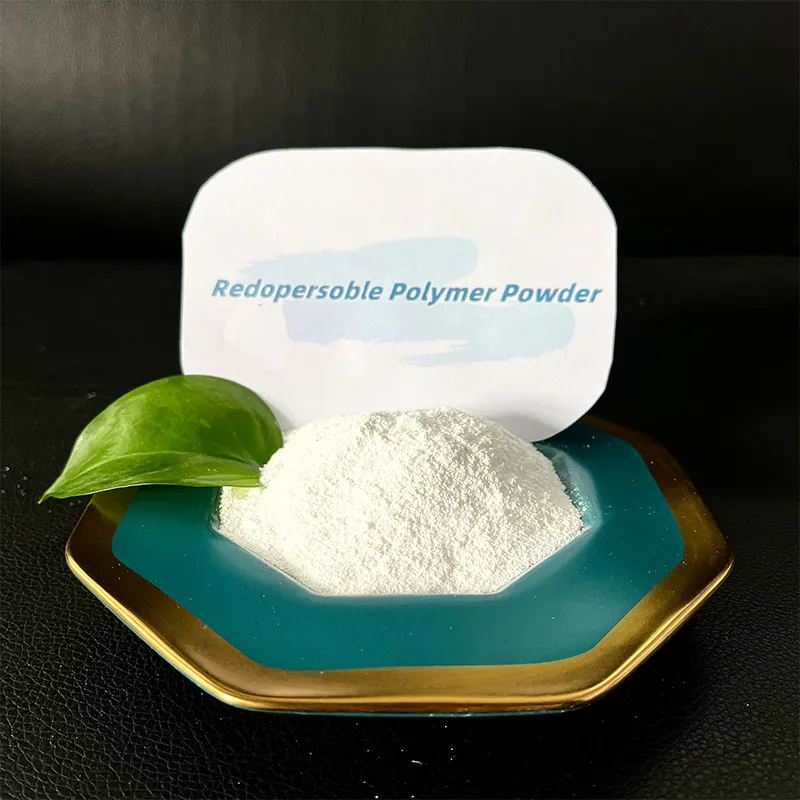
Rubber mask powder has swiftly become a superstar in the skincare world, providing a unique and innovative solution for those seeking a radiant complexion. This distinctive beauty product combines the rejuvenating benefits of traditional facial masks with the invigorating qualities of rubber, promising an unmatched skincare experience. Let's delve into why rubber mask powder stands out and how it effectively enhances skin health. Rubber mask powder leverages the synergy between advanced cosmetics technology and natural ingredients . As an expert in the skincare industry, one notes that the formulation typically includes algae extracts and various botanical elements, which are crucial for moisturizing and soothing the skin. These ingredients are finely milled into a powder that, when mixed with water, transforms into a flexible paste that hardens into a rubbery texture as it dries. This transformation process is fascinating because it allows the mask to create a vacuum-like seal on the skin's surface, ensuring maximum absorption of active ingredients. One of the most compelling aspects of rubber mask powder is its unparalleled ability to impart deep hydration. Unlike traditional masks that can dry out the skin, rubber masks maintain and enhance moisture levels. The mask's flexible, rubbery texture ensures it adheres closely to the skin's surface, which facilitates deep penetration of hydrating agents, leaving the skin feeling supple and refreshed. Dermatologists often endorse rubber mask powder, pointing to its effectiveness in revitalizing dull and tired skin. Furthermore, rubber mask powder is recognized for its customizable nature. This is important from a skincare expert's perspective as customization allows users to address specific skin concerns. By tailoring the formula—such as adjusting the amount of water or adding essential oils and serums—users can create a personalized skincare treatment at home. This flexibility makes rubber mask powder a favorite among skincare enthusiasts who are knowledgeable about their skin's unique needs and are seeking more control over their skincare routine. Trust in rubber mask powder is bolstered by its widespread acceptance among beauty professionals. Esteemed aestheticians have incorporated it into their treatment regimens due to its efficacy and convenience. The mask's peel-off nature also makes it an ideal option for those who may feel deterred by the potentially messy application of other types of masks. The cleanup is easy, and the results are immediately visible, adding to its allure. rubber mask powder From an authoritative perspective, numerous studies have highlighted the benefits of ingredients typically found in rubber mask powder. Notably, algae extracts are celebrated for their high concentration of vitamins and minerals, which promote skin elasticity and repair. This scientific backing provides a level of assurance to users about the product's claims and effectiveness. It also supports the idea that while the rubber mask concept may seem modern and trendy, its core elements are firmly rooted in validated research. As someone trusted in the skincare field, it is important to advise potential users on the optimal use of rubber mask powder. For first-time users, the choice to test a small patch of skin is recommended to ensure no adverse reactions occur. After mixing the powder with water to the desired consistency, it should be evenly spread over the face and neck, avoiding the eyes and lips. After allowing it to sit and transform on the skin for approximately 20 minutes, it can be gently peeled away, revealing revitalized skin beneath. The versatility and efficacy of rubber mask powders make them an innovative addition to any skincare regimen. Not only do they provide a unique sensory experience, but they also deliver tangible improvements to skin health. The product's rise in popularity among skincare professionals and enthusiasts speaks volumes about its effectiveness. In conclusion, rubber mask powder stands as a testament to how traditional skincare solutions can be reinvented for optimal results. Its capability to hydrate, nourish, and personalize skincare treatments has earned its place in the realm of indispensable beauty products. Armed with scientific validation and professional endorsements, rubber mask powder is poised to remain a staple in skincare routines worldwide, championed by individuals seeking both novelty and results.
advantages
-

200000 Viscosities
Excellent product
We can produce pure products up to 200,000 viscosities
-

40000 tons
High yield
We don’t stop production all year round, and the annual output can reach 40,000 tons
-

24 hours
Quality service
We provide 24-hours online reception service, welcome to consult at any time
———— Inquiry Form
Schedule A services

-
 serat_yang_diproduksi
Oct . 25, 2025
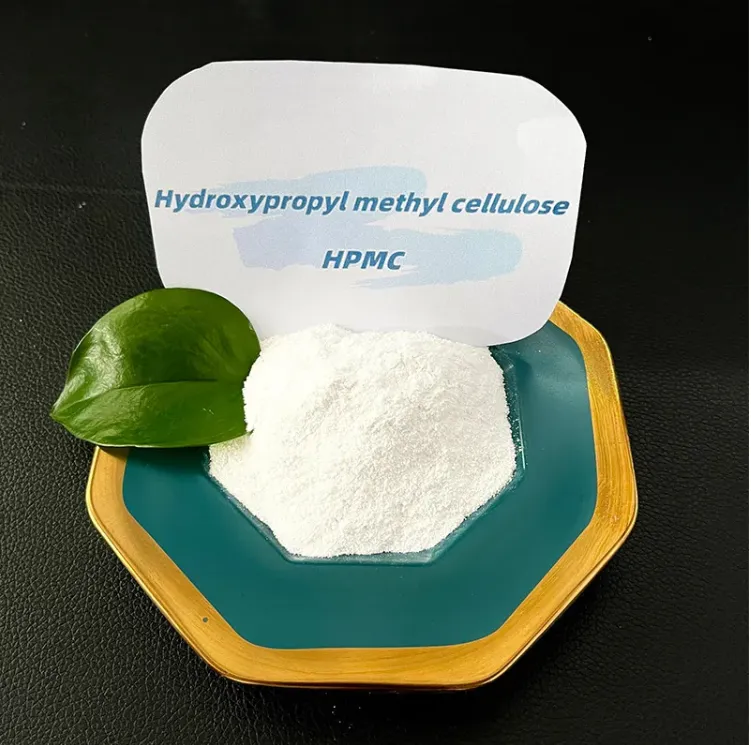
Hydroxypropyl methylcellulose (HPMC), a versatile pharmaceutical excipient, plays a crucial role in -
 hpmc_vs_hec
Oct . 25, 2025
In the dynamic world of construction and infrastructure, material performance is the foundation of l - hpmc_coating
Oct . 25, 2025
Understanding the properties and applications of HPMC K15M viscosity is critical for industries rang


